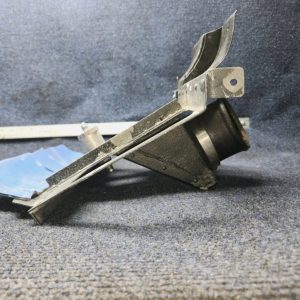
The Cessna 172RG Rear RH Baffle Assembly
The Cessna 172RG Rear Right-Hand Baffle and Cessna 172RG Engine Baffle terms describe related engine-compartment structures, while the exact Cessna 172RG Cooling Baffle should remain identified by P/N 2455038-2.
The Cessna Cutlass Engine Baffle and Aircraft Engine Baffle Assembly keywords help qualified buyers locate relevant replacement parts.
The Cessna Engine Cooling Baffle works with other Cessna 172RG Engine Compartment Parts to reduce unwanted air leakage and direct airflow through intended cooling paths.
Whether marketed as an Engine Cooling Baffle Assembly, Cessna Cutlass Cooling System Part, or Cessna 172RG Replacement Baffle, the component should receive individual inspection.
Why Exact Baffle Part Numbers Matter
The P/N 2455038-2 marking should be confirmed through stamped identification, labels, donor-aircraft records, packaging, photographs, and applicable Cessna parts information.
The right-hand orientation and rear engine-compartment location should be verified before shipment or installation.
Purpose of the Rear RH Engine Baffle
System-level inspection supports more effective engine-compartment maintenance.
A replacement component should restore the intended geometry without creating interference with cylinders, hoses, wiring, controls, exhaust parts, or cowling.
Aircraft Model and Serial Applicability
A rear right-hand baffle should not be advertised as suitable for every Cessna 172 model merely because the aircraft share a related airframe family.
The engine model and installed accessories can influence clearances, brackets, hoses, wiring routes, and the shape of surrounding cooling components.
Understanding Formed Aluminum Cooling Panels
The exact material, thickness, temper, finish, and construction should be confirmed through applicable technical information when required.
Professional handling protects the value of the Cessna Aircraft Engine Baffle.
Aircraft Cooling Component Inspection
Areas near fasteners and vibration-prone attachment points deserve particular attention.
The assembly should be checked for evidence of engine vibration, cowling contact, exhaust heat, fluid contamination, impact, improper removal, and unsuitable storage.
Cessna Cooling Air Seal Replacement
Old seals may be useful as templates even when they are unsuitable for continued service.
Replacement seal material should correspond with the intended aircraft installation and suitable technical requirements.
Engine Compartment Contamination Concerns
Professional corrosion treatment helps preserve the remaining baffle within acceptable limits.
Responsible corrosion prevention supports long-term component value.
Evaluating Fretting and Elongated Holes
Detailed attachment-point inspection supports accurate repair planning.
Forced alignment can preload thin sheet metal and contribute to recurring cracks.
Cessna 172RG Engine Compartment Parts
Organized inventory management supports a more efficient Cessna Cutlass maintenance project.
Used Cessna 172RG Engine Compartment Parts should be evaluated individually rather than accepted solely because they came from the same donor aircraft.
Inspecting the Complete Cooling System
Missing seals, open gaps, loose cowling, or incorrectly installed neighboring components can affect airflow distribution.
Maintenance personnel should identify all relevant findings and correct them through appropriate procedures.
Sheet-Metal Cooling Component Restoration
The decision to repair or replace a damaged baffle depends on crack location, corrosion, deformation, missing material, hole condition, previous repairs, and available technical data.
Professional workmanship can extend component value while preserving cooling-system geometry.
Commercial Value of the Cessna 172RG Baffle
Damaged or incomplete baffles may still have repair-candidate, restoration, pattern, or reference value when described accurately.
Accurate commercial information supports responsible Cessna 172RG Replacement Baffle transactions.
Rear RH Cooling Baffle Condition Checklist
Any uncertainty regarding orientation, completeness, engine clearance, or aircraft compatibility should be resolved before shipment.
- Request clear photographs of every surface, marking, hole, bend, bracket, flange, crack, repair, corrosion area, and included component.
- Arrange qualified evaluation whenever geometry, material loss, repair quality, or installation suitability remains uncertain.
- Retain purchase records, photographs, measurements, traceability information, inspection findings, repair data, and shipping documents with the project file.
Aircraft Cooling Baffle Packaging
Loose seals and hardware should be bagged, labeled, and secured separately.
Identification tags and records should remain attached or clearly associated with the component.
Fitting P/N 2455038-2
Professional preparation protects both the replacement baffle and surrounding engine components.
Temporary fitting can help reveal alignment check here and clearance concerns before final attachment.
Ground-operation observations should be completed through suitable procedures without promising a specific temperature improvement.
Long-Term Rear Baffle Inspection
The assembly should receive attention after engine work, cowling damage, abnormal vibration, overheating indications, fluid leaks, or suspected impact.
Wiring, hoses, and controls should not rub against the baffle or create repeated loading.
Final Thoughts on the Cessna Cutlass Baffle
P/N 2455038-2 offers stronger commercial value when its donor history, dimensions, corrosion condition, repairs, seals, brackets, hardware, and records are described accurately.
Buyers should request current photographs, accurate measurements, transparent condition information, protective shipping, secure transaction terms, and qualified maintenance review.
Whether the project involves Cessna 172RG Engine Compartment Parts, an Aircraft Cooling Air Baffle, a Cessna 172RG Airflow Baffle, or a Cessna Aircraft Engine Baffle, every component should be inspected individually.
With transparent donor history, protected shipping, correct fitment, qualified repair planning, and effective seal installation, the component can support a professional Cessna 172RG project.